How to Start a Blog and Make Money in 2026 (Complete Step-by-Step Guide)
Introduction: Why Blogging Is Still Profitable in 2026
Blogging is far from dead — Blog in fact, it’s thriving. In 2026, millions of people are turning to the internet every single day to search for answers, tutorials, product recommendations, and expert advice. That creates a massive opportunity for bloggers who know how to show up in the right place at the right time.
Starting a blog in 2026 gives you access to one of the most powerful income streams available online: content that works for you 24/7. Whether you’re looking to build a passive income side hustle, grow a personal brand, or launch a full-time online business, blogging checks every box.
In this guide, you’ll learn exactly how to start a blog and make money — from picking a niche and buying hosting to writing your first posts and monetizing your traffic. No experience required.
Step 1: Choose a Profitable Blog Niche

Before you write a single word, you need to decide what your blog is about. This is called your niche — a focused topic area that defines your audience and content strategy.
Choosing the right niche is arguably the most important decision you’ll make as a blogger. A bad niche means little traffic and no income. A smart niche means consistent readers and multiple monetization options.
Best Blogging Niches in 2026
Here are some of the most profitable niches right now:
- AI Tools & Technology — One of the fastest-growing categories. Millions of people want to learn how to use AI tools like ChatGPT, Midjourney, and others. The search volume is exploding.
- Blogging & SEO — Meta, yes — but highly profitable. People pay for courses, tools, and hosting based on recommendations in this niche.
- Personal Finance — Budgeting, saving, investing, and getting out of debt never go out of style. This niche has some of the highest affiliate commissions online.
- Digital Products & Online Business — Covers Etsy shops, Gumroad stores, freelancing, and passive income strategies.
- Health & Fitness — A perennial evergreen niche with huge search demand for workouts, diets, mental health, and wellness products.
How to Choose the Right Niche for YOU
Ask yourself three questions:
- Does it have search demand? Use free tools like Google Trends or Ubersuggest to verify people are actively searching for it.
- Can you monetize it? Look for affiliate programs, digital products, or ad revenue potential.
- Can you write about it consistently? Passion isn’t everything, but genuine interest keeps you going when growth feels slow.
Step 2: Pick a Domain Name for Your Blog
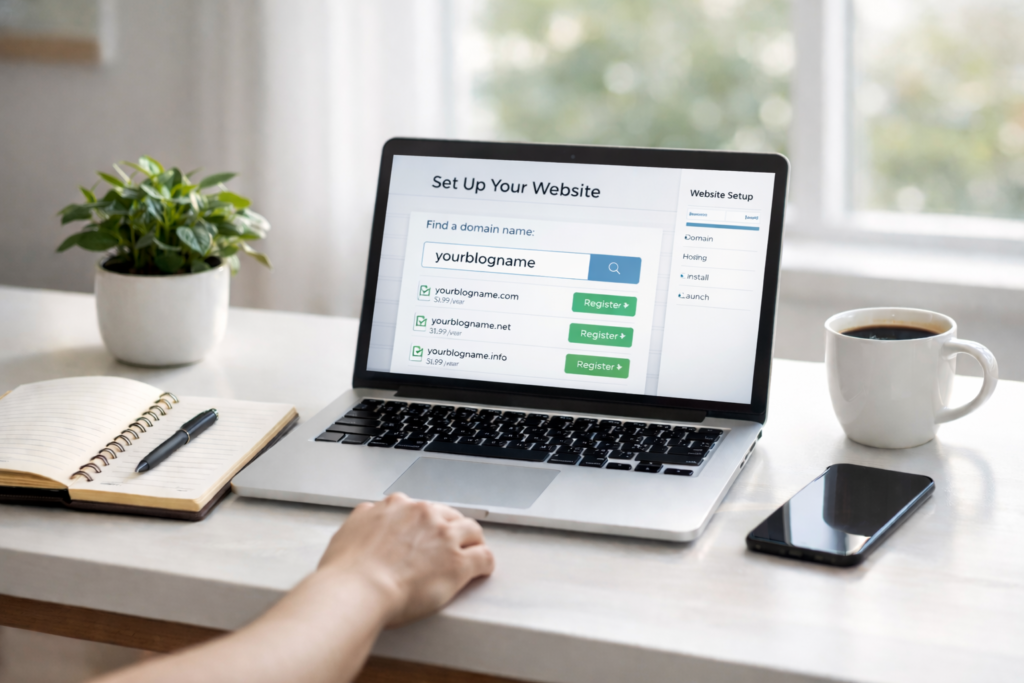
Your domain name is your blog’s address on the internet — for example, yourblogname.com. It’s the first impression readers and search engines get of your brand.
Tips for Choosing a Memorable Domain Name
- Keep it short and easy to spell. Aim for 1–3 words. Avoid hyphens and numbers.
- Make it brandable. It doesn’t have to include your main keyword, but it should be memorable and easy to say out loud.
- Use a .com extension whenever possible. It’s still the most trusted TLD.
- Avoid trademarked names or names too similar to established brands — you’ll run into legal issues.
Domain Name Mistakes to Avoid
- Don’t stuff keywords unnaturally into your domain (e.g.,
best-cheap-seo-blog-tips.com). - Don’t choose a name that’s too limiting — if you name your blog
MomLifeHacks.comand later want to write about finance, your brand becomes confusing. - Register your domain as soon as you decide. Good names disappear fast.
Domains typically cost $10–$15/year through registrars like Namecheap or through your hosting provider.
Step 3: Get Web Hosting and Install WordPress
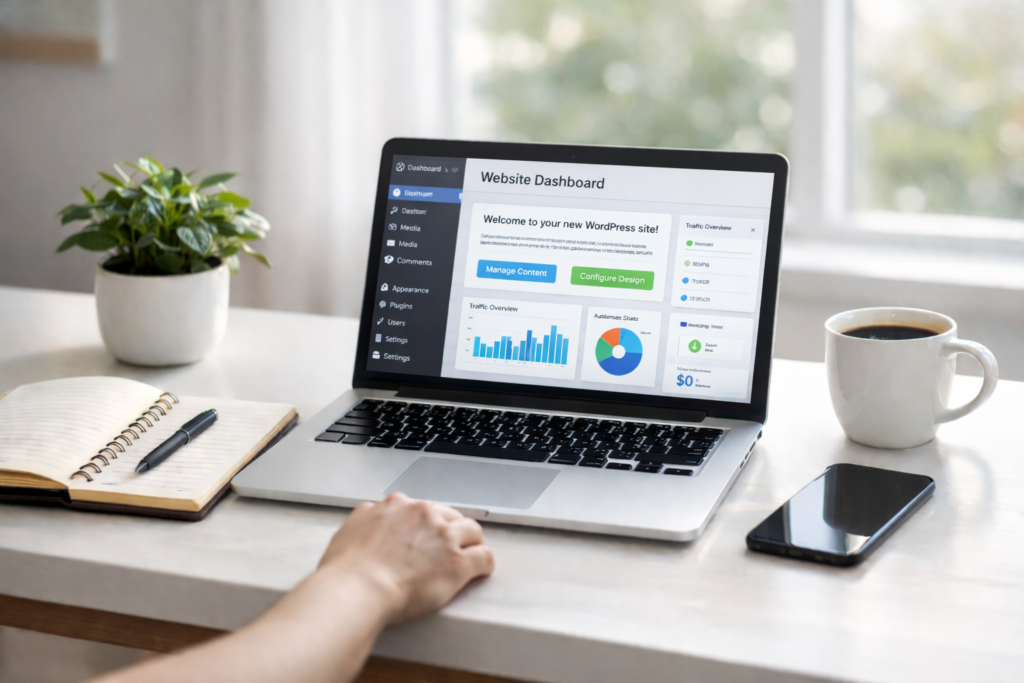
Web hosting is the service that stores your blog’s files and makes them accessible to visitors on the internet. Think of it as renting space on a server.
Why Most Bloggers Use WordPress
WordPress powers over 43% of all websites on the internet — and for good reason. It’s free, flexible, beginner-friendly, and has thousands of plugins and themes built specifically for bloggers. When people talk about starting a blog, they almost always mean WordPress.
Note: Use WordPress.org (self-hosted), not WordPress.com. The self-hosted version gives you full control and monetization freedom.

- 2026 Bluetooth 5.4 Technology : The wireless earbuds use the bluetooth 5.4 chipset. There is a faster and more stable si…
- More Outstanding ENC Noise Reduction: Powered by dual 14.2 mm low-distortion composite dynamic drivers and a built-in hi…
- LED Power Display & Easy Touch Control: The smart LED display keeps you informed of the remaining battery of both the ch…
$21.99

How to Launch Your Blog in 3 Basic Steps
Step 1 — Buy Hosting
Choose a beginner-friendly hosting provider. Popular options include Bluehost, SiteGround, and Hostinger. Plans start as low as $2–$3/month. Most providers include a free domain for the first year.
Step 2 — Connect Your Domain
If you purchased your domain separately, point it to your hosting provider by updating your DNS nameservers. If you bought both together, they’re usually connected automatically.
Step 3 — Install WordPress
Most hosting providers offer a one-click WordPress installation from the control panel (cPanel). Click install, enter your blog name and admin credentials, and your site is live within minutes.
Step 4: Choose a Professional Blog Theme
Your blog theme controls how your site looks and feels. A great theme doesn’t just look beautiful — it also impacts your SEO, page speed, and how long visitors stay on your site.
What to Look for in a Blog Theme
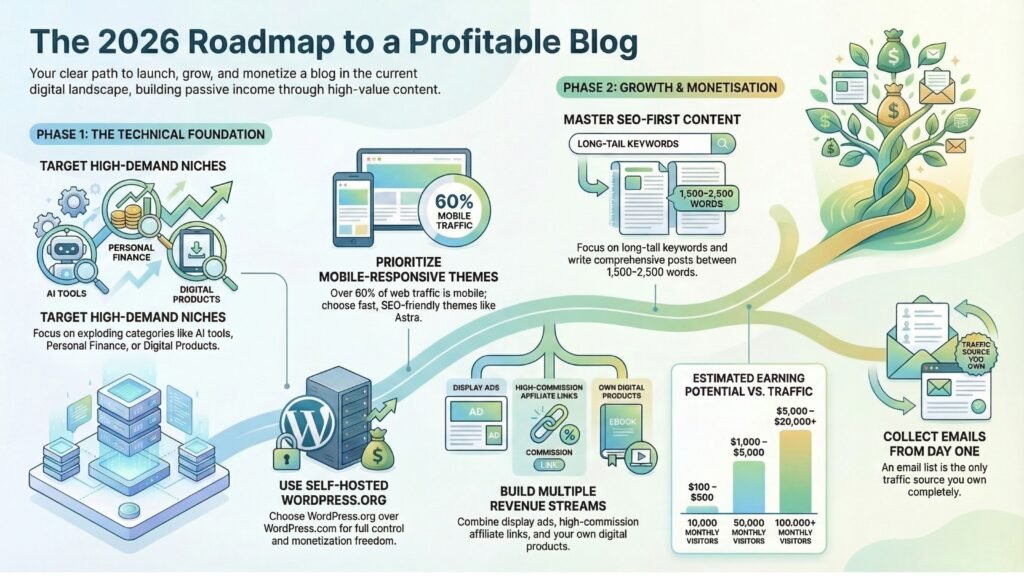
- ✅ Mobile Responsive — Over 60% of web traffic comes from mobile. Your theme must look great on phones and tablets.
- ✅ Fast Loading — Page speed is a confirmed Google ranking factor. Avoid bloated themes loaded with unnecessary features.
- ✅ SEO Friendly — The theme should use clean, structured code that search engines can crawl easily.
- ✅ Customizable — Look for themes compatible with popular page builders like Elementor or the native WordPress block editor (Gutenberg).
Free vs. Premium Themes
| Free Themes | Premium Themes | |
|---|---|---|
| Cost | $0 | $30–$100 (one-time) |
| Support | Community forums | Dedicated support |
| Updates | Less frequent | Regular updates |
| Customization | Limited | Extensive |
For beginners, free themes like Astra, Kadence, or GeneratePress are excellent starting points. They’re fast, clean, and SEO-optimized out of the box.
Step 5: Create Important Pages for Your Blog
Before you start publishing content, you need to set up a few essential pages. These aren’t just good practice — they’re required if you want to qualify for Google AdSense and other ad networks.
Must-Have Blog Pages
- About Page — Tell readers who you are and why your blog exists. This builds trust and helps people connect with you personally.
- Contact Page — Makes it easy for readers, brands, and potential partners to reach you. This is essential for sponsored post opportunities.
- Privacy Policy — Legally required if you collect any user data (which you will via Google Analytics or email marketing tools).
- Disclaimer — Important if you publish affiliate links. Discloses that you may earn commissions from recommendations.
- Terms and Conditions — Protects your blog legally and sets rules for how your content can be used.
Many bloggers overlook these pages and wonder why their AdSense application gets rejected. Don’t skip them.
Step 6: Write Your First Blog Posts
Now the fun begins — creating content. Your blog posts are the foundation of everything. They attract search traffic, demonstrate your expertise, and convert visitors into income.
How Many Posts Should You Publish Before Promoting?
Aim for at least 10–15 solid posts before you start actively promoting your blog. This gives visitors enough content to explore and signals to Google that you’re a real, active publisher.
Best Types of Posts for Beginner Bloggers
- How-To Tutorials — “How to [do X]” posts are search gold. They match exactly how people phrase their Google queries.
- List Posts (Listicles) — “10 Best Tools for [X]” or “7 Mistakes to Avoid When [Y]” — listicles are easy to scan and highly shareable.
- Beginner Guides — Comprehensive “ultimate guides” position you as an authority and tend to earn more backlinks.
Ideal Blog Post Length in 2026
The sweet spot for SEO performance is 1,500–2,500 words for most informational posts. However, quality always beats length. A focused 1,500-word post that fully answers a question will outrank a padded 3,000-word post that rambles.
Step 7: Learn Basic SEO to Get Traffic From Google
SEO (Search Engine Optimization) is the art of making your blog posts appear in Google search results when people search for topics you write about. Without SEO, your content disappears into the void.
SEO Basics Every Blogger Must Know
🔍 Keyword Research
Find the actual words people type into Google. Target keywords with decent search volume but low competition. Tools like Google Keyword Planner, Ubersuggest, and Ahrefs can help. For beginners, focus on long-tail keywords (3–5 words) — they’re easier to rank for.
📝 On-Page SEO Basics
- Include your main keyword in the title tag, first paragraph, and meta description.
- Use H2 and H3 subheadings throughout the article.
- Write a compelling meta description (under 160 characters) that encourages clicks.
🔗 Internal Linking
Link to other relevant posts on your blog. This helps Google discover all your content and keeps readers on your site longer.
🖼️ Image Optimization
Compress images before uploading (tools like TinyPNG work great). Add alt text to every image describing what it shows — this helps with accessibility and image SEO.
Step 8: Promote Your Blog and Get Traffic
Publishing great content is only half the equation. You also need to actively drive traffic to your blog, especially in the early days before Google fully trusts your site.
Top Traffic Sources for New Bloggers
- Google Search — Long-term, organic traffic is the gold standard. Focus on SEO and it compounds over time.
- Pinterest — Pinterest is a search engine, not just social media. A single well-designed pin can drive thousands of visitors to a single blog post for months.
- Social Media — Share posts on Facebook groups, Instagram, LinkedIn, or X (Twitter) depending on your niche.
- Email Marketing — Build your email list from day one. An email list is the one traffic source you own completely. Use free tools like MailerLite or ConvertKit to get started.
Consistency is the secret. Bloggers who post regularly and promote every piece of content compound their growth month over month.
How to Make Money Blogging
Now let’s talk about the part everyone’s excited about — monetizing your blog.
Step 9: Display Ads on Your Blog
Display ads are the simplest way to earn money from your blog. Once approved, ad networks automatically place ads on your content and pay you based on impressions (views) and clicks.
Google AdSense is the most widely used ad network and the perfect starting point for new bloggers. Once your blog has essential pages set up and a few quality posts, you can apply.
As your traffic grows, you can graduate to premium networks like Mediavine (requires 50,000 sessions/month) or Raptive (AdThrive) which pay significantly higher RPMs (revenue per 1,000 views).
Step 10: Affiliate Marketing
Affiliate marketing is one of the highest-earning monetization methods for bloggers. You recommend products or services, include a special tracking link, and earn a commission when a reader makes a purchase — at no extra cost to them.
How to Get Started With Affiliate Marketing
- Join affiliate programs related to your niche (Amazon Associates, ShareASale, Impact, or individual brand programs).
- Write honest review posts, comparison articles, or tutorials that naturally incorporate your affiliate links.
- Disclose your affiliate relationship in every post (required by law and by most affiliate programs).
Popular affiliate products include web hosting, software tools, online courses, and physical products on Amazon. Some niches — especially finance and SaaS software — offer commissions of $50–$200+ per referral.
Step 11: Sell Digital Products
Digital products are arguably the most profitable thing a blogger can sell because they have zero inventory cost and can be sold infinitely. Once you create the product, you earn from it forever.
Digital Products Bloggers Sell Successfully
- Ebooks — Package your expertise into a PDF guide and sell it for $9–$49.
- Canva Templates — Social media templates, resume templates, pitch decks — Canva templates sell extremely well on platforms like Etsy and Gumroad.
- Printable Planners — Budget planners, meal planners, daily schedules — printables have a huge market with minimal effort to create.
- Coloring Books — A surprisingly thriving niche, especially for stress relief and children’s content.
- Prompt Libraries — In the age of AI, curated prompt collections for ChatGPT, Midjourney, and other tools have become a genuine product category.
Platforms like Gumroad make it incredibly easy to set up a digital storefront in minutes. Many bloggers earn their first online income through a simple $7 ebook or template pack.
Step 12: Sponsored Posts
As your blog grows, brands will pay you to write posts that feature their products or services. Sponsored content is common in niches like lifestyle, travel, parenting, beauty, and technology.
You don’t need millions of readers to land your first sponsored post. Even blogs with 5,000–10,000 monthly readers can attract small brand deals if the audience is highly engaged and niche-specific.
Create a Media Kit (a one-page document showing your stats, audience demographics, and rates) and start reaching out to brands proactively once you have some traction.
Step 13: How Much Money Can Bloggers Actually Make?
Let’s be honest about income expectations. Blogging is a long game — most bloggers don’t see significant revenue in their first 6 months. But the growth is real for those who stay consistent.
Blogger Income by Traffic Level
| Monthly Visitors | Estimated Monthly Income |
|---|---|
| 10,000 visitors | $100 – $500 (ads + affiliate) |
| 50,000 visitors | $1,000 – $5,000 |
| 100,000+ visitors | $5,000 – $20,000+ |
| 500,000+ visitors | Full-time income + team |
These numbers vary widely based on niche, monetization strategy, and how aggressively you pursue digital products and affiliate partnerships. A blogger in the personal finance niche with 30,000 monthly visitors can out-earn a lifestyle blogger with 200,000 visitors simply because their affiliate commissions are higher.
Step 14: Blogging Tips for Beginners (What Actually Works)
After everything you’ve learned, here are the habits that separate successful bloggers from those who quit:
- Be Consistent — Publish on a schedule, even if it’s just once a week. Google rewards consistent publishers, and audiences grow when you show up reliably.
- Focus on SEO-First Content — Write content people are actively searching for, not just what you feel like writing.
- Prioritize Quality Over Quantity — One thoroughly researched 2,000-word post beats five thin 500-word posts every time.
- Build Your Email List Early — Don’t wait until you have “enough” traffic. Start collecting emails from day one with a lead magnet (a freebie in exchange for an email address).
- Invest in Learning — The blogging landscape changes. Stay current with SEO updates, algorithm changes, and new monetization opportunities.
Conclusion: Start Your Blog Today

Blogging in 2026 is one of the most accessible, scalable, and rewarding online businesses you can build. The tools are affordable, the learning curve is manageable, and the income potential — through ads, affiliate marketing, digital products, and sponsorships — is real for anyone willing to put in consistent effort.
The biggest mistake new bloggers make is waiting until everything is “perfect.” Your blog doesn’t need to be perfect on day one. It needs to exist on day one.
Pick your niche. Buy your domain. Install WordPress. Write your first post.
Every successful blog you admire started exactly where you are right now — at zero. The only difference is they started.
Start today. Your future readers are already searching for exactly what you have to say.
💡 Bookmark this guide and come back to it as you move through each step. Blogging success is built one step at a time.